

everything i’m reading to prepare for my literature phd
Analytical Frameworks, Liberatory Theories, and Fiction Books for the Serious Scholar™

As many of you know because I can’t shut up about it, this fall I’m starting an English PhD. In seven years you will be able to call me doctor, or I will crash and burn into oblivion. The impostor syndrome is heavy and makes me think it will be the latter, that I’ve merely stumbled this far by accident. Alas, these thoughts are simply figments of my overly anxious mind, and so in an effort to be more present and active in my intellectual development I bring you this list of books I’m reading to prepare for my PhD.
For easy perusing I’ve split the list into two: 1) Analytical frameworks and liberatory theories such as ecocriticism and feminism that can be applied to the study of literature and language, and 2) Fun fiction books that still manage to incite Deep Thoughts™ about literature and society without the jargon and mental strain of academic texts. Wether you’re a scholar who wants a challenging analytical read, or a scholar on a break reaching for a fun text to quell the mind, I’m sure there’s something in here for you! Comment your thoughts, leave a like and a recommendation!
1) Analytical Frameworks For the Study of Literature
Woman Hating, Pornogrpahy, & Right-Wing Women – Andrea Dworkin
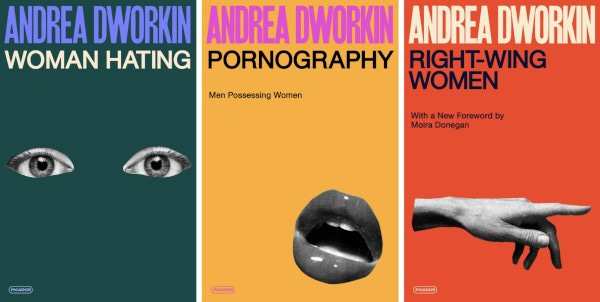
After radical feminist Andrea Dworkin died in 2005, her husband retained her publishing rights and refused to continue printing her books. This February, her books were finally reissued and for good reason since radical feminism is experiencing a resurgence just as governments across the world swing further right. Though all three titles are essential reading, I recommend starting with Right-Wing Women, an analysis of American Conservatism and the women who aid and abet it, if you’re interested in politics, history, and psychology. For an media analysis of gendered power dynamics, read Pornography, and for an overall primer Woman Hating.
A Billion Black Anthropocenes or None — Kathryn Yusoff
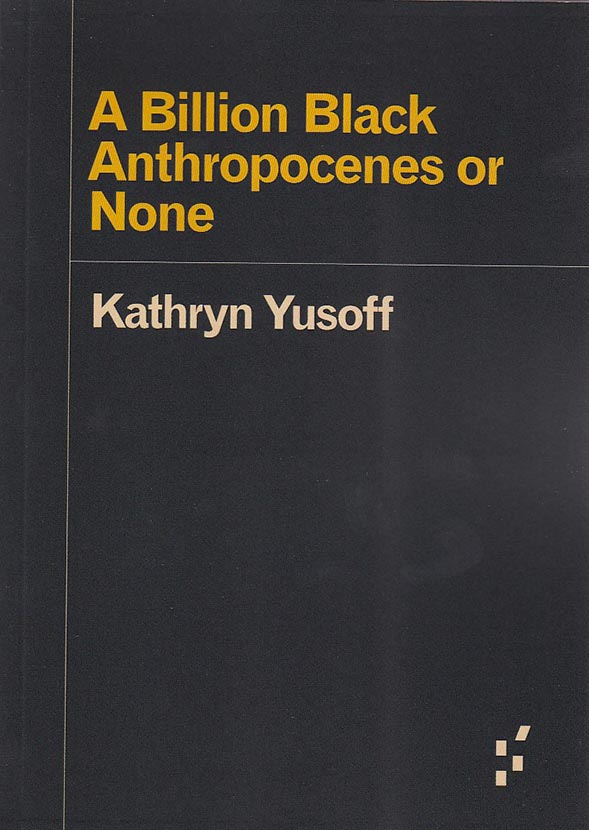
This book sparked controversy among conservative media outlets who framed the author as accusing Geology of being racist. Yes, the field of study known as Geology… What Yusoff actually argues is that scholars have largely ignored the racial and colonial underpinnings of human geography in favor of a sanitized narrative that neatly generalizes humanity’s interactions with nature, i.e. the notion of the Anthropocene. Pulling from Black feminist thought and geological records alike, Yussoff present a perfect example of how humanistic and scientific methods can collide. Yas, interdisciplinary queen. This books packs so much useful knowledge in less than a hundred pages, but as a consequence it is extremely dense so definitely proceed with an alert mind when approaching it.
Cruel Optimism – Lauren Berlant
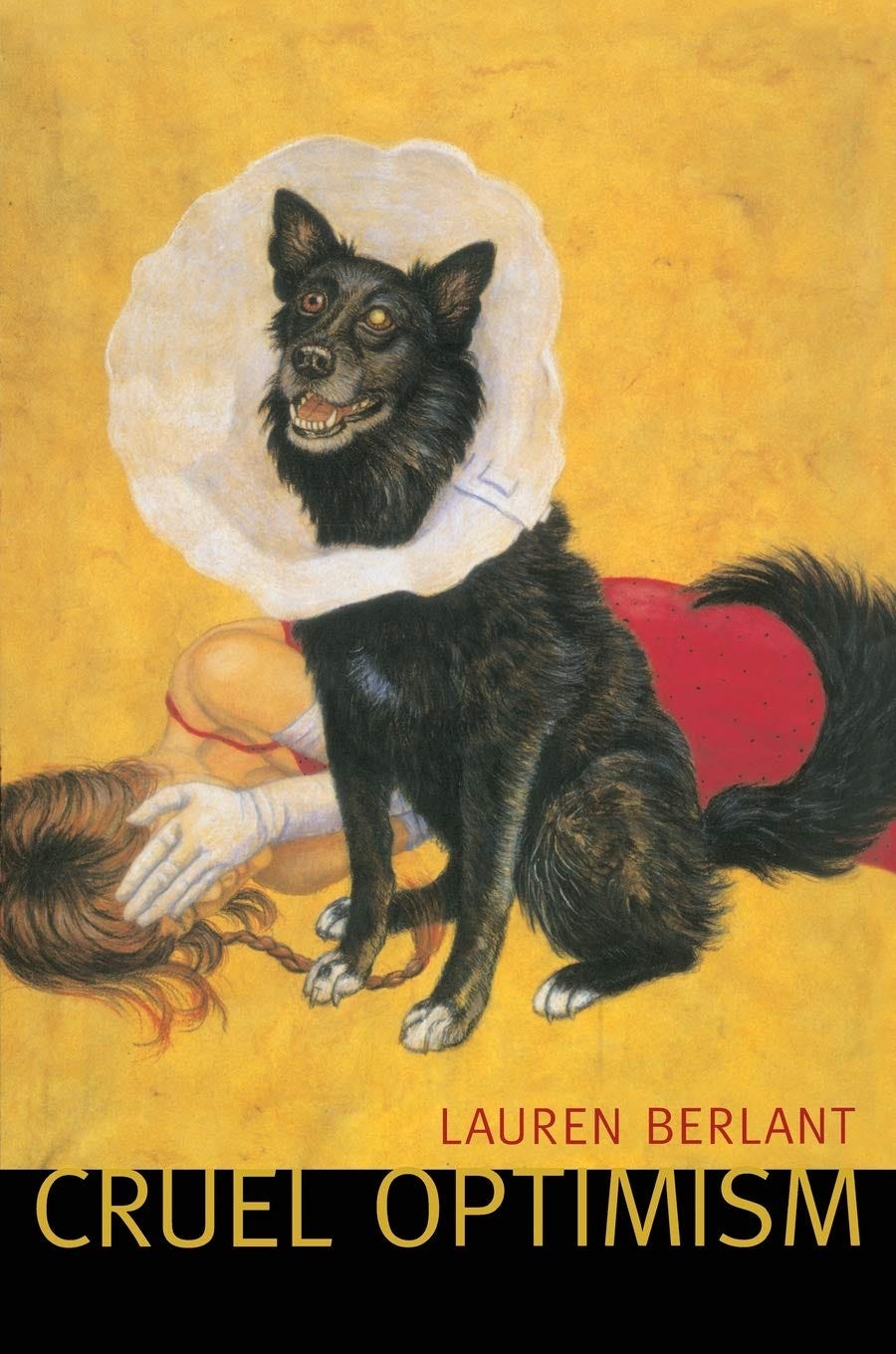
Berlant is the MOTHER of Affect Theory. Affect theory is something I keep seeing popping up among scholars—it is a hot field of thought and so I got curious and picked up this book. Using various types of media, Berlant redefines the relationship between politics and affects, what might be loosely defined as an emotional pre-rational response to stimuli. She argues that all affects are political and all politics are affective. To further understand their relationship, she introduces the concept of Cruel Optimism which she explains “exists when something you desire is actually an obstacle to your flourishing.” Because of the inherent affective dimension of homosexuality, Berlant’s work is well-loved amongst queer theorists, whose writings I dove quite deeply into during college. I guess it was a only a matter of time before I returned to the ur-text.
Scenes of Subjection — Saidiya Hartman
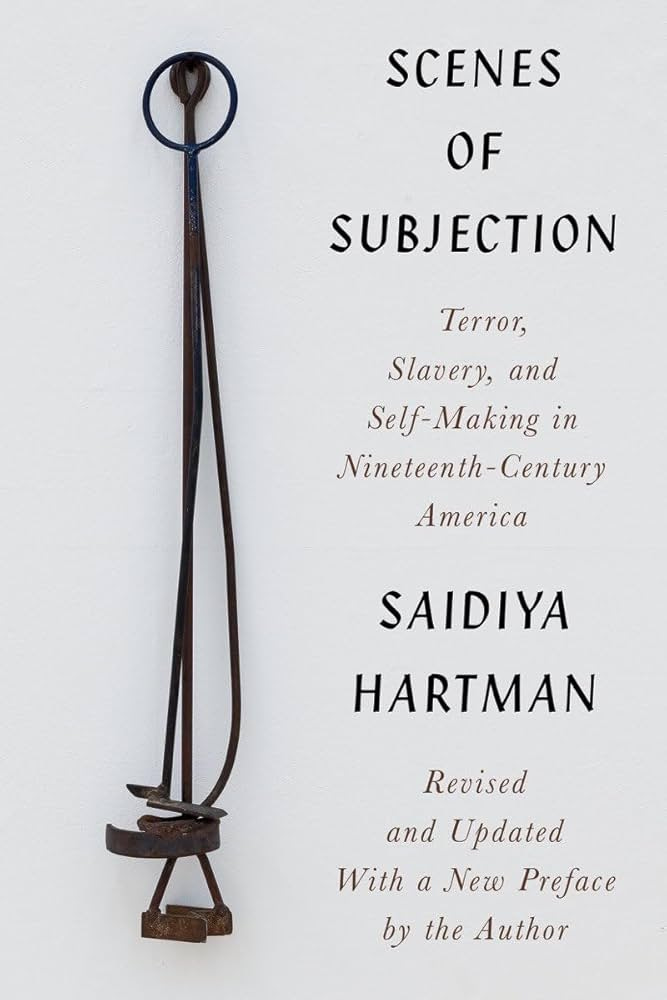
Hartman is an academic superstar no less due to this masterpiece of a book. In it she ventures into the archives to try to piece together the stories of enslaved peoples in the 19th century, crafting along the way a powerful critique of racial subjugation and American freedom. What I treasure most about this book, and her most recent book, Wayward Lives, Beautiful Experiments: Intimate Histories of Social Upheaval, is that she often recounts from her perspective as a researcher what it means to do archival work when the archives are silent, its narrative threads elusive. It brings us necessary methodological questions about the erasure and peculiar presence of Black and minoritized peoples in the archives, the ethics of interpretation, and the role of the researcher as intermediary.
A Thousand Plateaus – Deleuze and Guattari
This book is like going down a psilocybin trip. It is a dense philosophical exploration of society, language, politics, and psychosis through geological thought. To explain the whole thing, especially its main Rhizomatic Theory, would require a whole other post, so here’s a TLDR from Reddit:
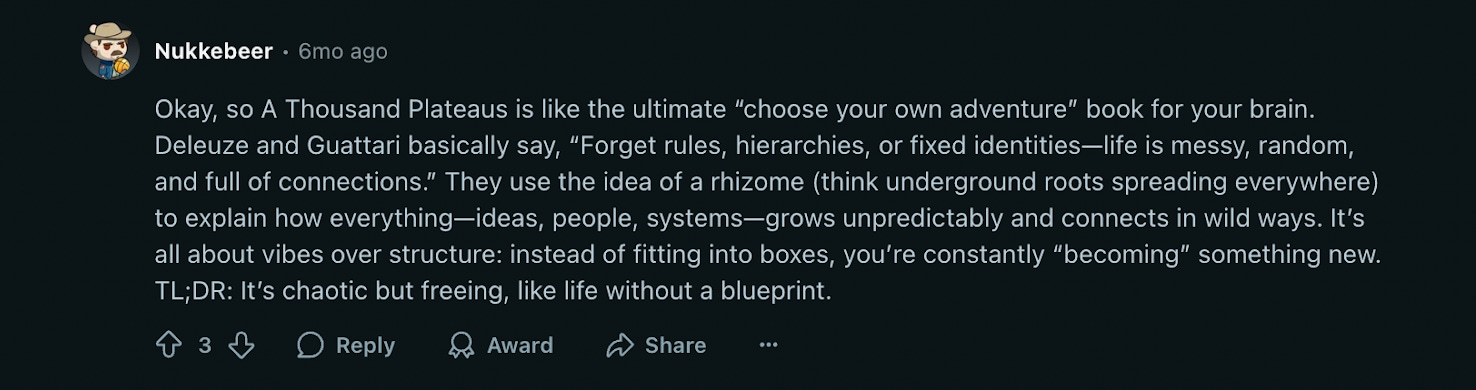
Each chapter is its own mini-essay, and after reading the first chapter, “Introduction: Rhizome” that can be fairly understood on their own. I recommend:
Chapter 3. “10,000 B.C.: The Geology of Morals (Who Does the Earth Think It Is?),”
Chapter 6. “November 28, 1947: How Do You Make Yourself a Body Without Organs?”
Chapter 10. “1730: Becoming-Intense, Becoming-Animal, Becoming-Imperceptible…”
For our literary purposes:
Chapter 8. “1874: Three Novellas, or ‘What Happened?’”
Chapter 4. “November 20, 1923: Postulates of Linguistics”\
2) Fun Fiction Books for the Serious Scholar™
The Southern Reach Trilogy – Jeff VanderMeer
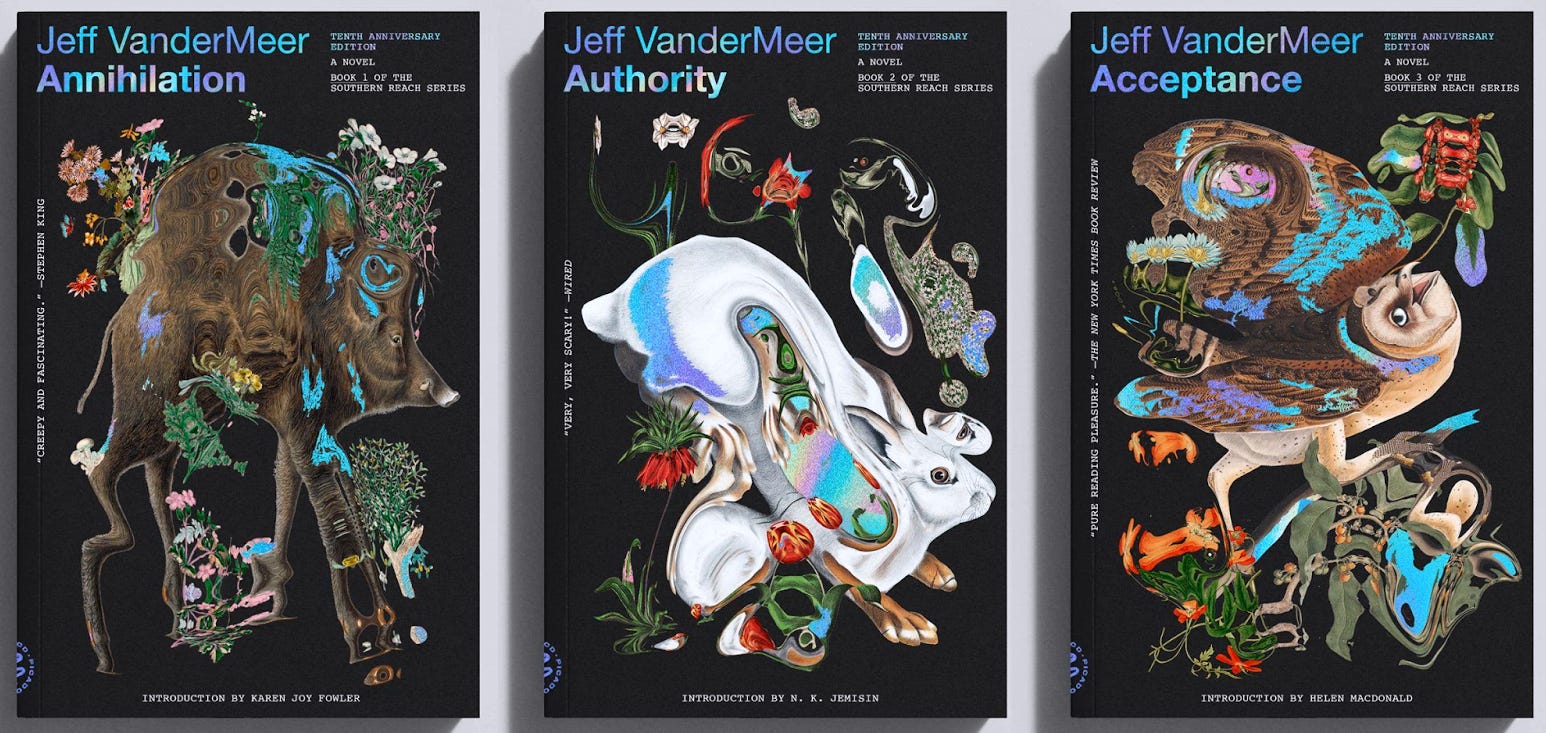
Jeff VanderMeer is KING of eco-punk and climate sci-fi. His books often contain subtle commentaries on colonialism and its ecological, psychological, and linguistic effects—a perfect read to accompany A Thousand Plateaus and A Billion Black Antrophocenes. His trilogy follows the morally-grey attempts of a government agency, the Southern Reach, to understand the sudden appearance of a mysterious border that closed off and reset a small coastal area of the USA. This area, Area X, returns to its pristine original condition and it is up to our characters to uncover the secrets of this wilderness while confronting the psychological turmoil of their pasts. The plot is fast and its prose realistic and highly-descriptive, drawing an ironic contrast between the mysteries of the mundane and bureaucratic and the wild natural world of Area X.
As a bonus: the first book, Annihilation is an almost all-female cast.
2666 – Roberto Bolaño
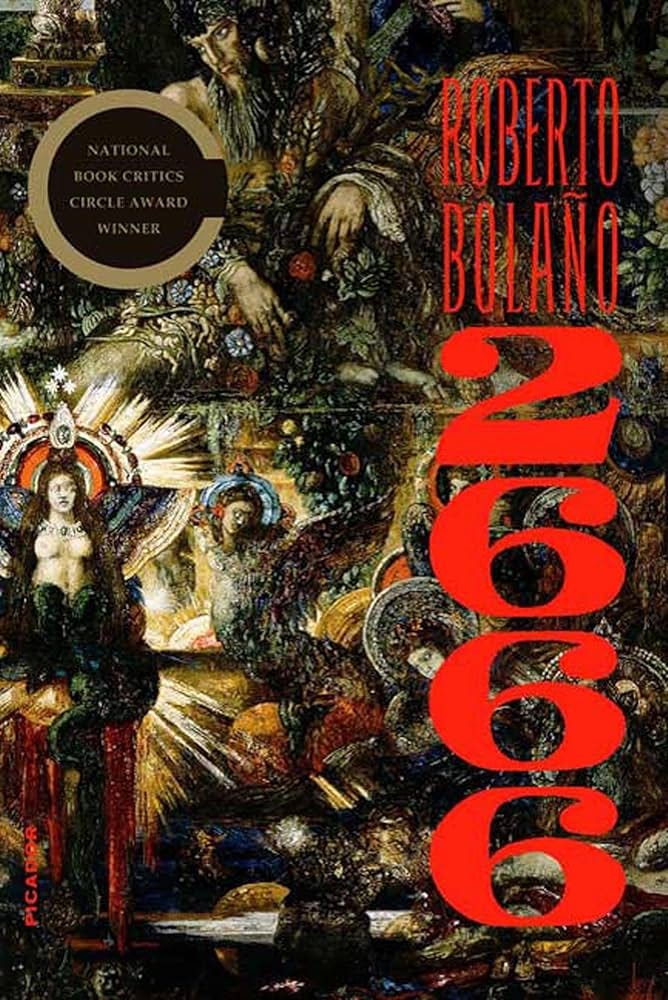
People who complain that Dark Academia is not inclusive enough, would not do so if they read 2666 by the Chilean author Roberto Bolaño. It is a 1,000 page chonk of a book comprised of multiple stories and point of views. Wikipedia describes its premise as such:
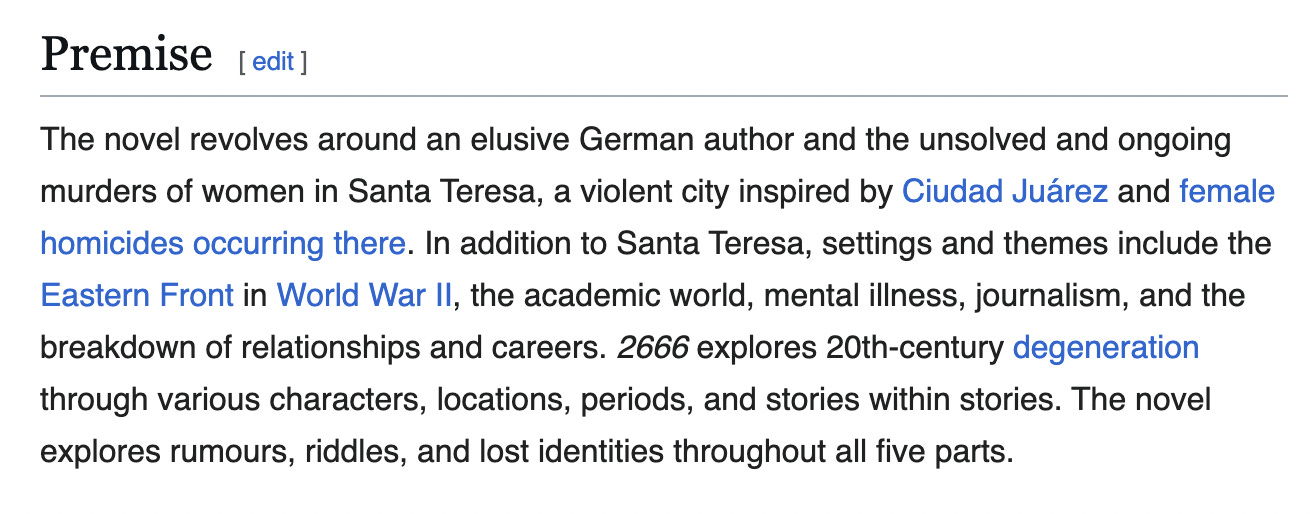
The reason why I consider this Dark Academia might have to be left to another post, but let me just describe its first chapter: a group of academics become obsessed with a certain elusive German author and, in their pursuit to uncover him, become entangled in a messy love triangle. Theres a murder, a passion for literature, and Mexico. Truly, this book is only on this list because I’ve been practicing reading in Spanish for the language test that is required by the PhD, but fret not because two English translations do exist so take your pick and just read it!
The Idiot – Elif Batuman
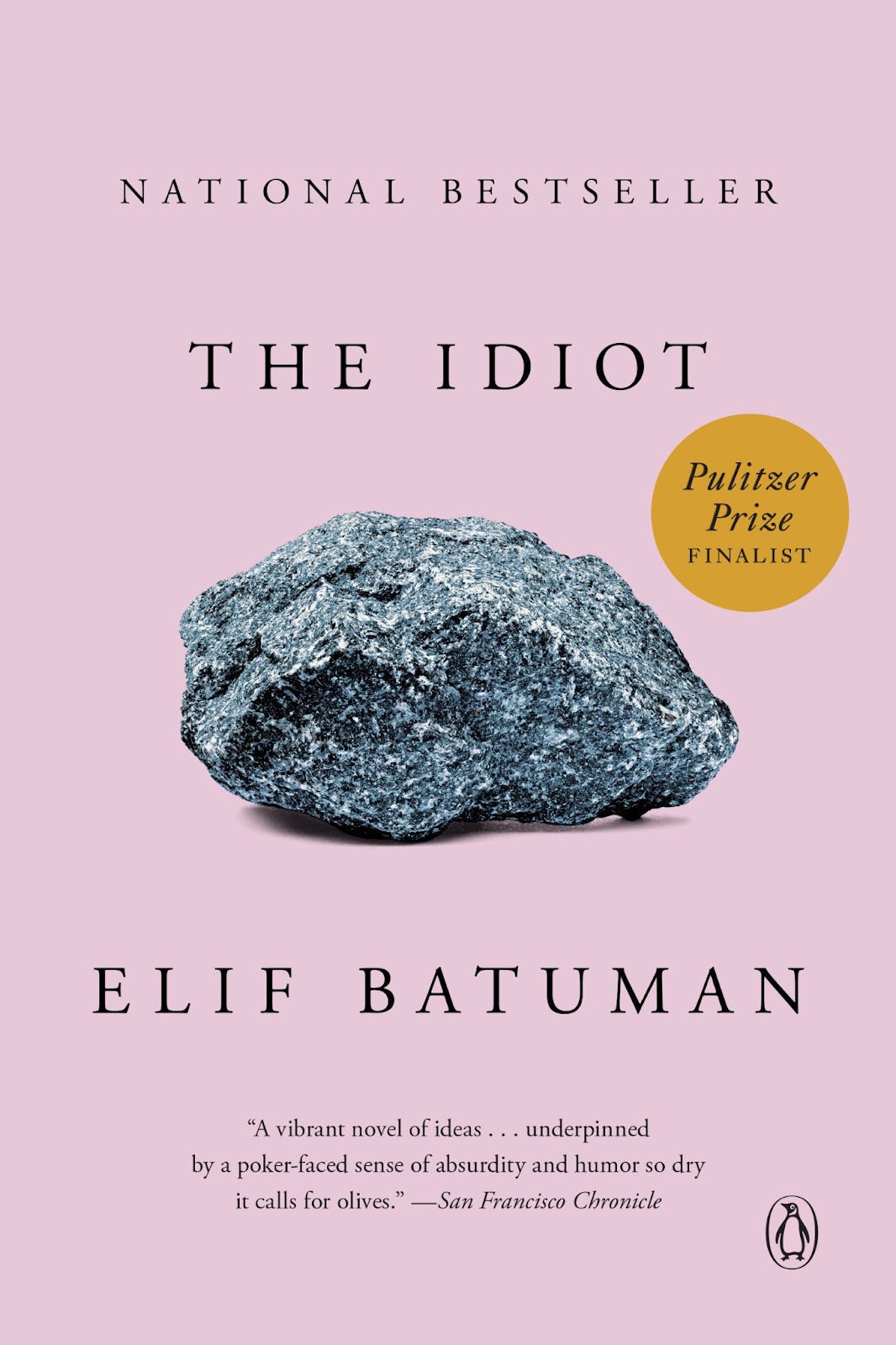
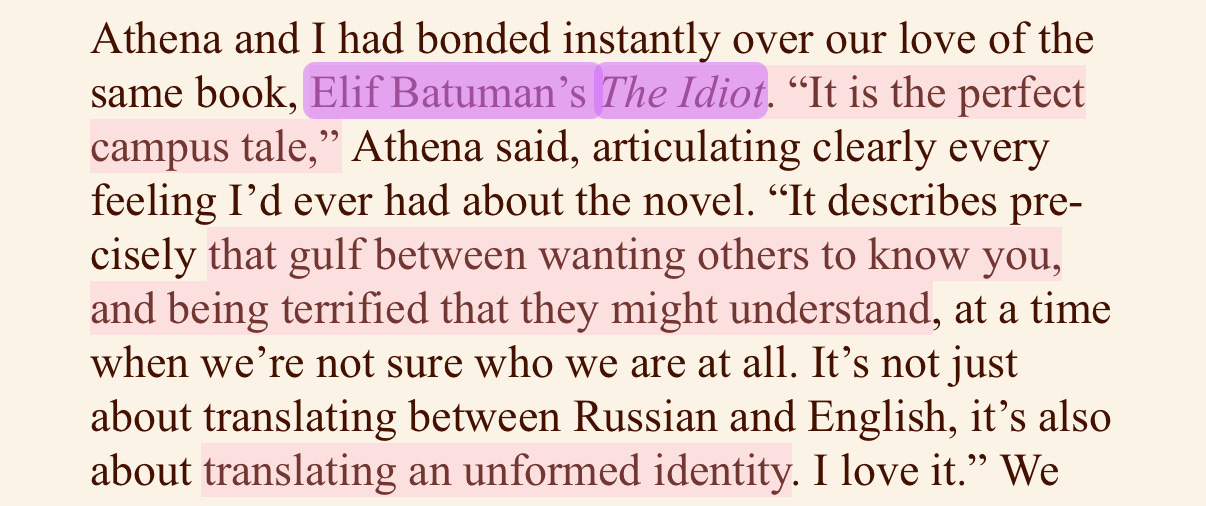
The perfect campus novel I’m told, and so in an effort to romanticize going back to school, I am immersing myself in Batuman’s The Idiot. The book follows Harvard linguistics student Selin and her romance with the older Hungarian mathematics student, Ivan. I’ve only just begun this book, so I’ll keep you posted for a further review.
The Hunger Games – Suzanne Collins
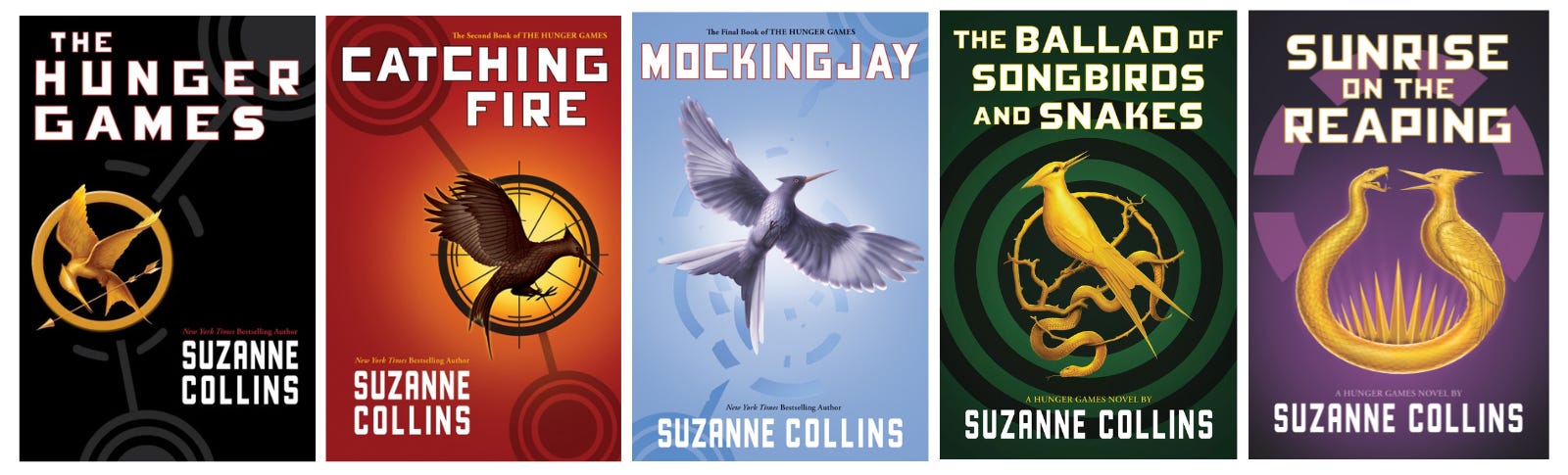
Last time I read The Hunger Games I was 10 years old. Now, with my frontal lobe fully formed, I am returning to it again and it is indeed as good as my 10-year-old self thought. It is a great commentary on capitalism, class divides, resource extraction and liberation that pairs well with any of the aforementioned academic texts. Any critical lens could be applied to it and it would produce something insightful. Because my focus is on ecocriticism, this read through I am zooming in on descriptions of the land, looking at how nature is utilized, exploited for entertainment by the Capital and for survival by the other districts.
East of Eden – John Steinbeck
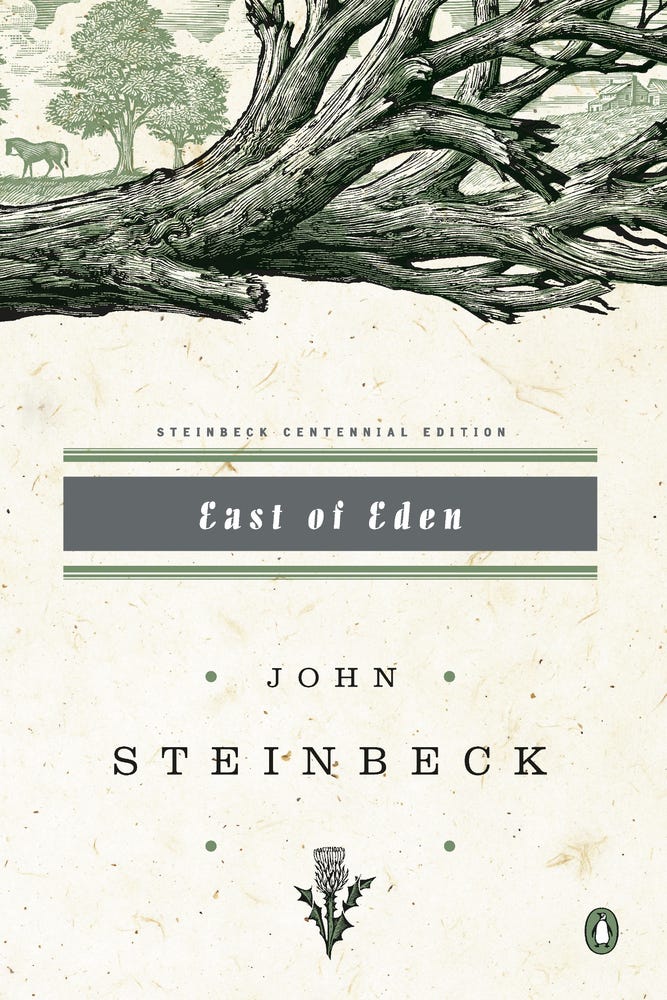
Every substack girlie and their momma is reading East of Eden right now which is not a shocker since Netflix is soon to release a series adaptation. Nonetheless, East of Eden is a classic and for good reason since the prose is beautiful and the multigenerational plot deliciously constructed. Spotting its biblical allusions is great close reading practice and lots can be said ecocriticism-wise about its ingenious reimagining of the Salinas Valley as the garden of Eden. I’ve only just begun this book, but reading the way this book treats the land of California with so much fondness is making me romanticize my upcoming move to the Bay.
Ulysses – James Joyce

A behemoth of a novel that at times can be disorienting. Closely reading this thing is an exercise in language discernment that requires an insane knowledge of literature, mythology, philosophy, and ancient languages. When I visited Princeton for my PhD campus tours, the professor pulled out the original manuscripts and everyone immediately gushed over them. Having no knowledge of this book definitely made me want to see what the hype was all about and so here we are, barely a couple pages in and already my mind is scrambled. I’ve heard that the best way to approach this text is to just read it straight through once, worry about understanding every bit latter. That is definitely how I’m approaching it and I hope you will too.
If you made it this far, thank you for reading The Scholar, an occasional publication where I try to rediscover my academic curiosity. I write about literature, my PhD life, and other cryptic topics—consider subscribing to follow along on my journey and maybe start yours too.
If I may! For an English Lit PhD if the sex wars of the 70s and 80s are not going to be your focus, I would (and only if you have to) read one (1) Dworkin, one (1) MacKinnon.
Then move right along to Gilbert and Gubar, Adrienne Rich's "of woman born", Toril Moi's "Sexual/Textual Politics" which gives a helpful grounding on DeBeauvoir, bell hooks "Teaching to Transgress", Kimberlé Crenshaw's Mapping the Margins essay, Butler's "Gender Trouble" and Eve Kosofsky Sedgwick's "Epistemology of the Closet". This will give you a good sense of the Anglo American lay of the land!
tl;dr Don't waste too much time on Andrea D!! :)
YASSS free rec list ty ty